Special Community Project – Barn Yard Quilt

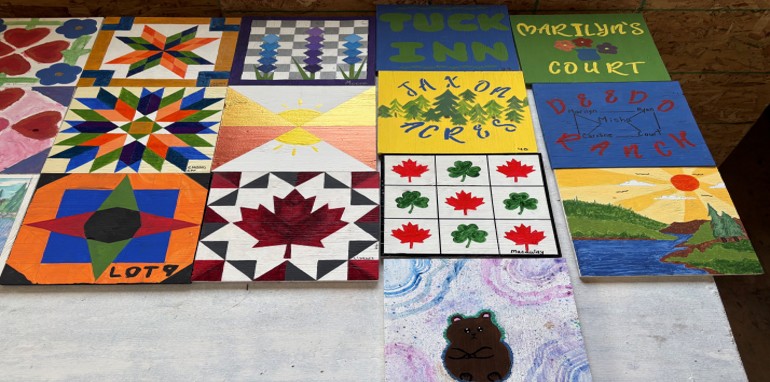
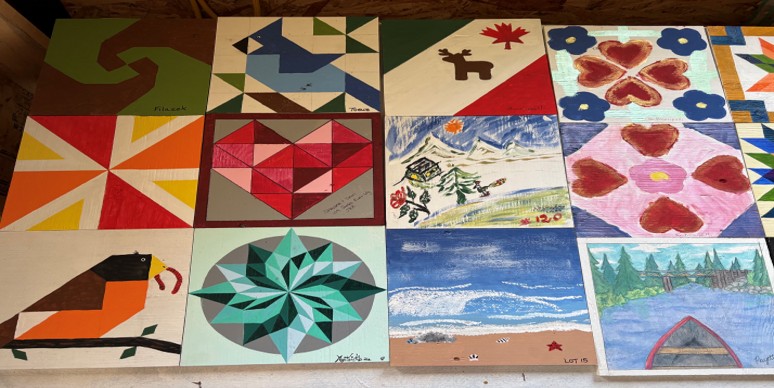
The special project Barnyard Quilt is turning out some wonderful and creative works of art.
There are still boards available to paint for those units who have not done so and we are waiting on some boards to be returned. If you have not completed a board yet, please contact Christine Toews (217) for the instructions and supplies.
So far, we have 25 boards finished and on display in the clubhouse. Once we have all boards back, they will be lacquered, joined and mounted.

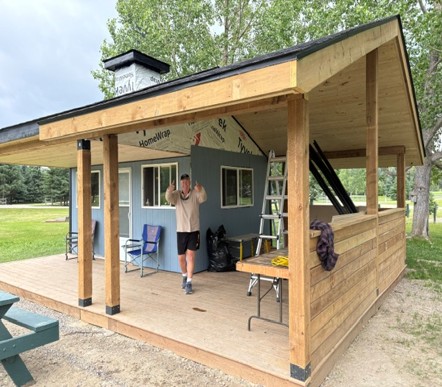
Tack Shed Turned Club House

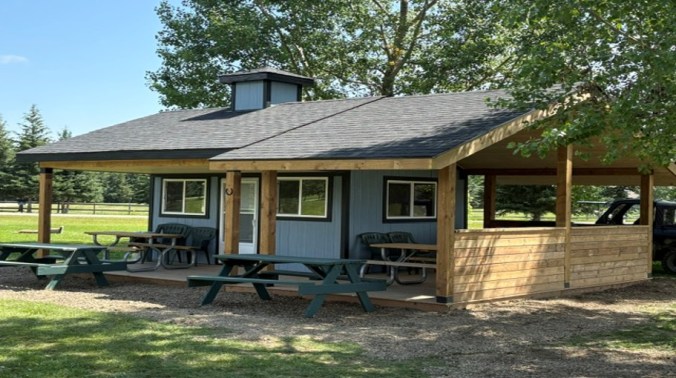
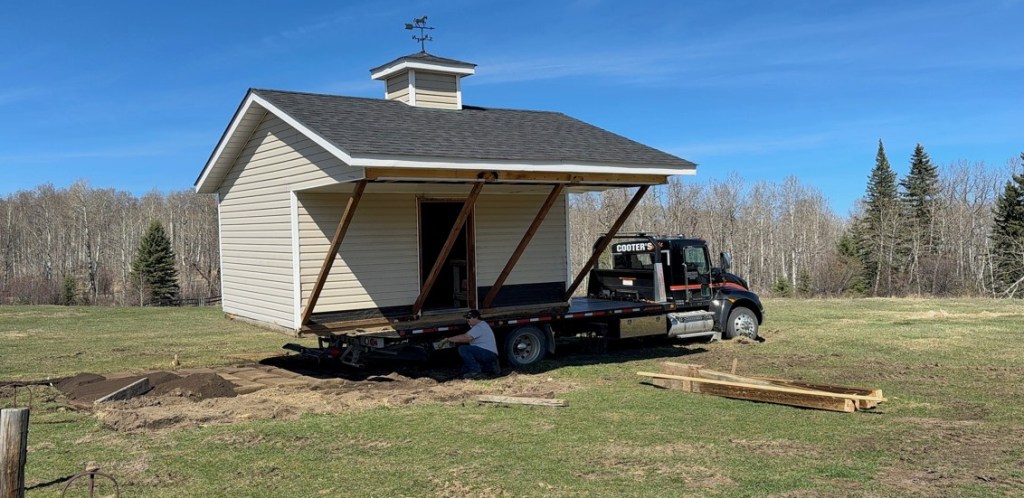
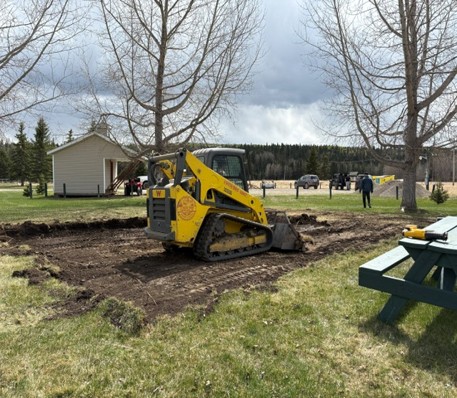
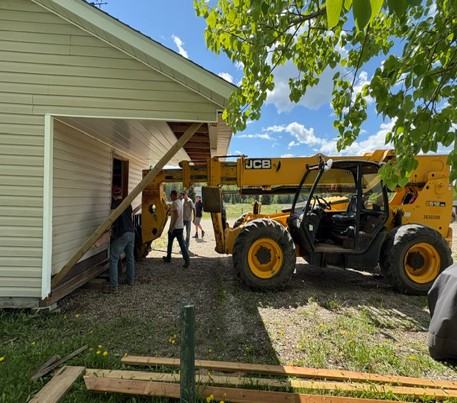
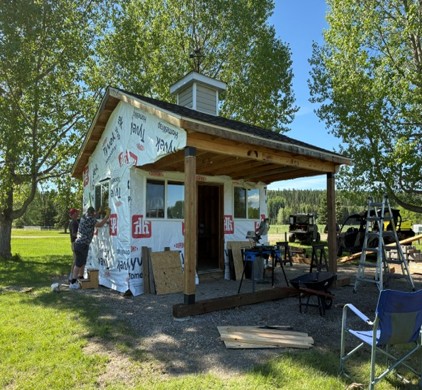
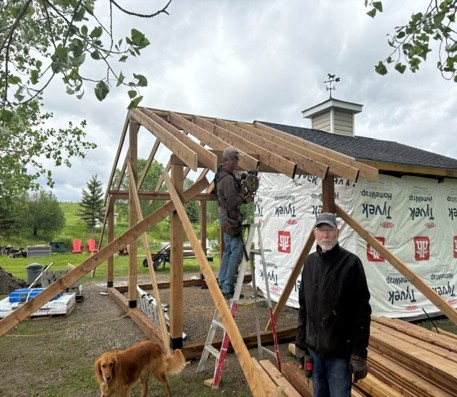
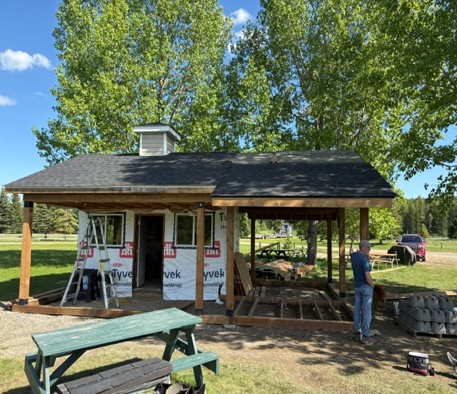
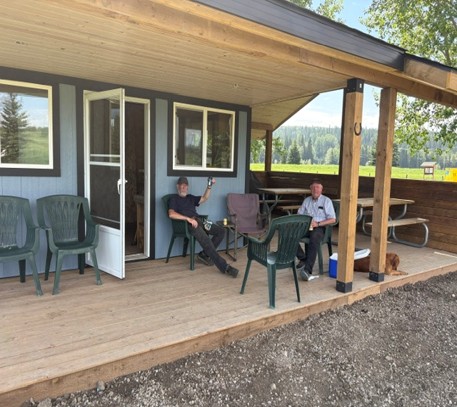
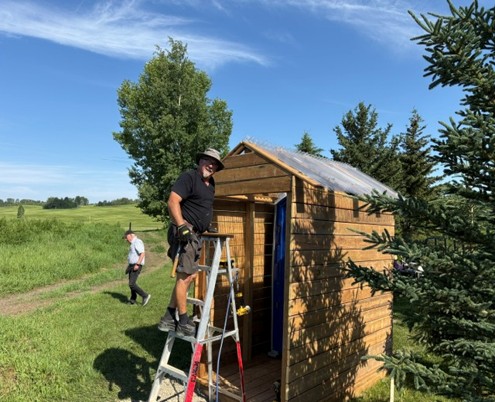
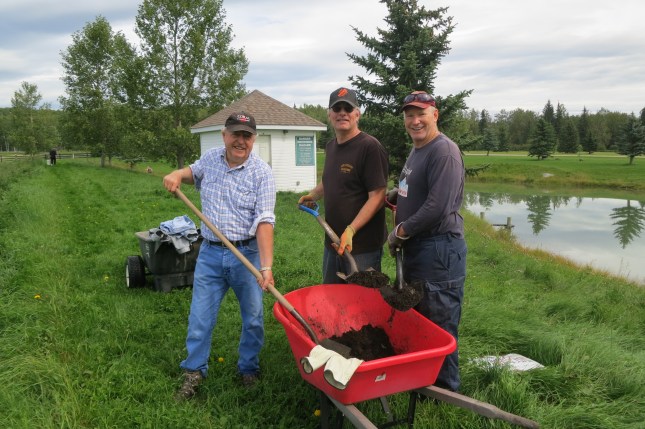
Our Pond Committee has been very busy rebuilding the tack shed into the fabulous clubhouse it is now.
The renovation was done completely with cash donations from our generous members to a total of $19,345.

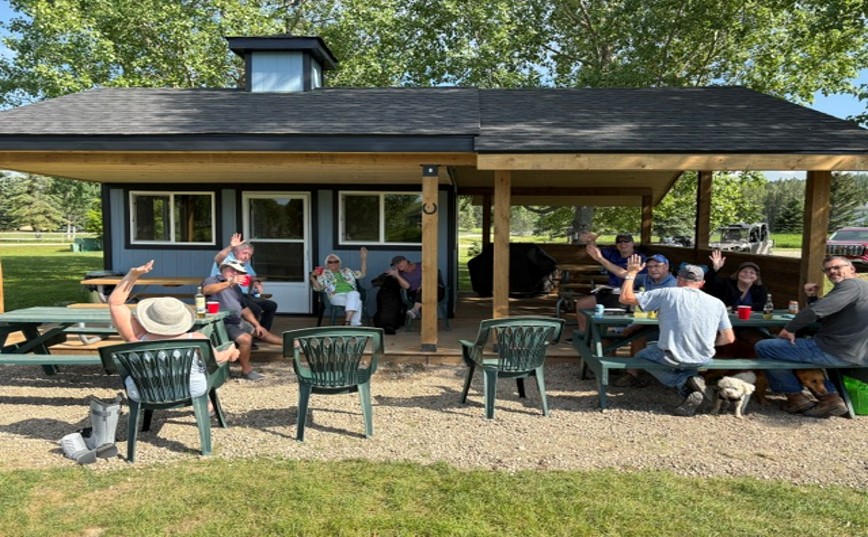
This was a huge undertaking from planning, purchasing supplies, ground prep, building to painting, all completed by a group of volunteer grumpy old men. They worked very hard to finish this project in time for the BBQ. Now that the outside is done, the inside still has some work to finish in the spring, possibly adding electricity and boarding up interior walls. With these funds they were also able to purchase a refurbished port-a-potty, 3 new picnic tables, some patio chairs and garbage cans for the clubhouse. We received some generously gifted items including: indoor stainless-steel tables, fire extinguisher, cooler, propane fire bowl, propane, and chairs.

This has truly become a great gathering space for everyone, lately we have socials held on “Thirsty Thursdays” at 3:30 pm.
Everyone is welcome to come out and chat with your neighbors.

The JRR Wildlife Report

Have you seen any interesting wildlife in and around the Retreat lately? Send us your photos and a few details about when and where you spotted your bird or critter and we’ll post it here for everyone to enjoy.

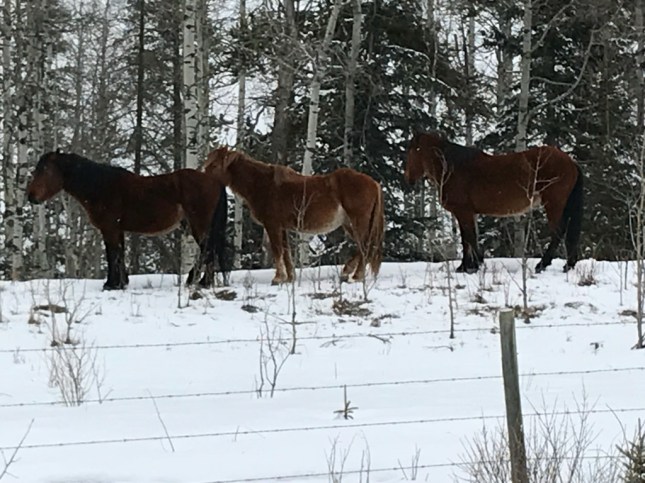
Wild Horses at top of our entry road on Mar 29 2018. Thanks Gary and Sarah for the Photo!


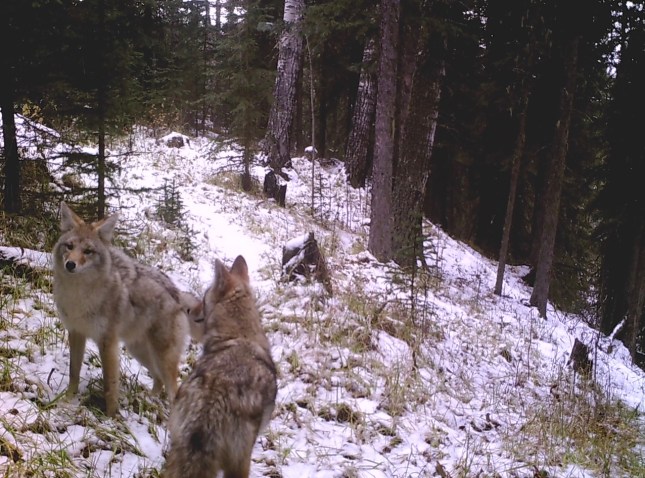
May's pups now teenagers? Crittercam, October 2016

May’s pups now teenagers? Crittercam, October 2016


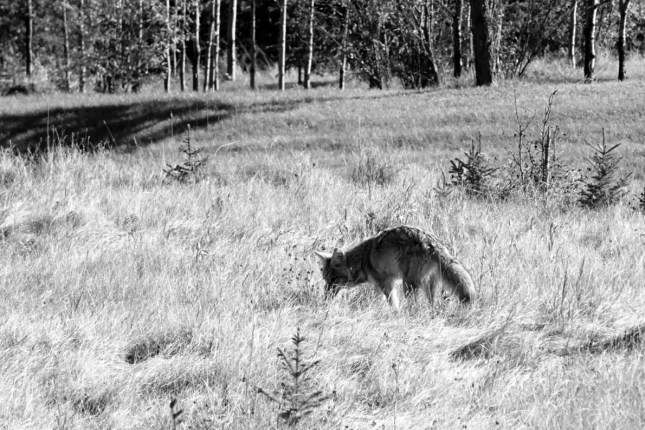
Coyote hunting, October 2016

Coyote hunting, October 2016


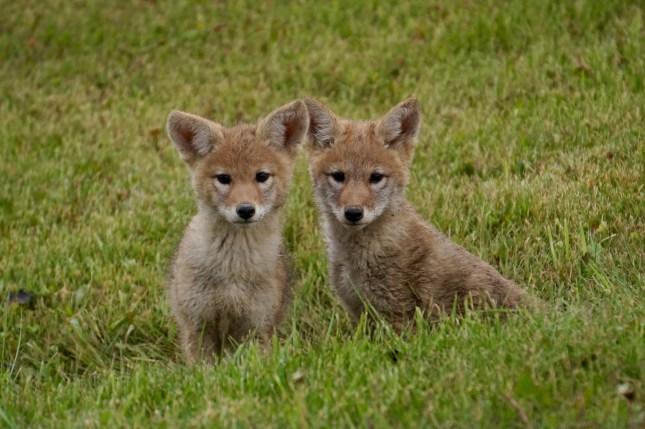
Coyote pups near fish pond, June 2016

Coyote pups near fish pond, June 2016


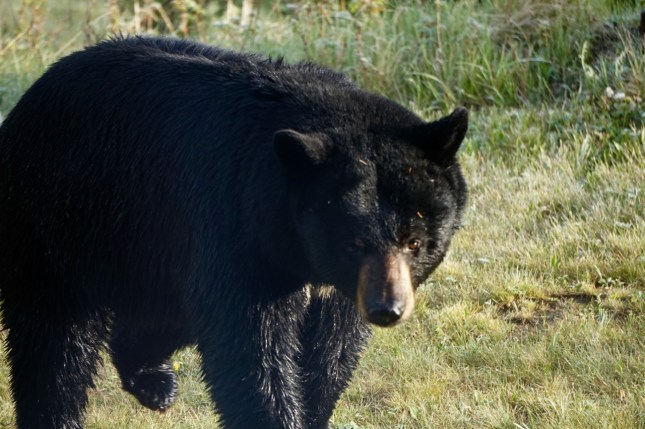
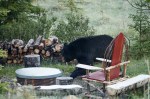
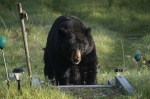
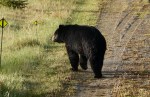
Black bear in the retreat, May 2016

Black bear in the retreat, May 2016


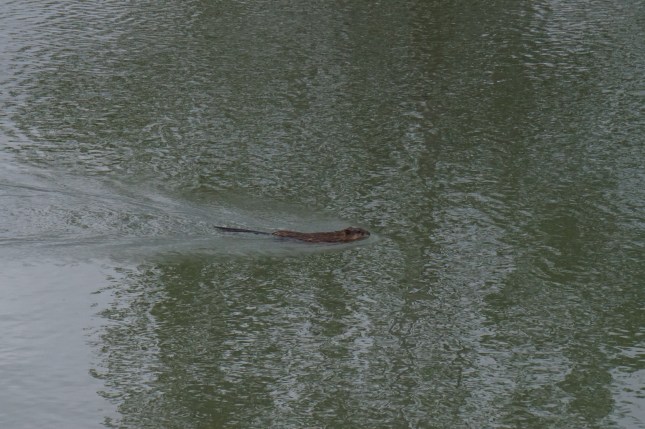
Muscrat in the fish pond, May 2016

Muskrat in the fish pond, May 2016


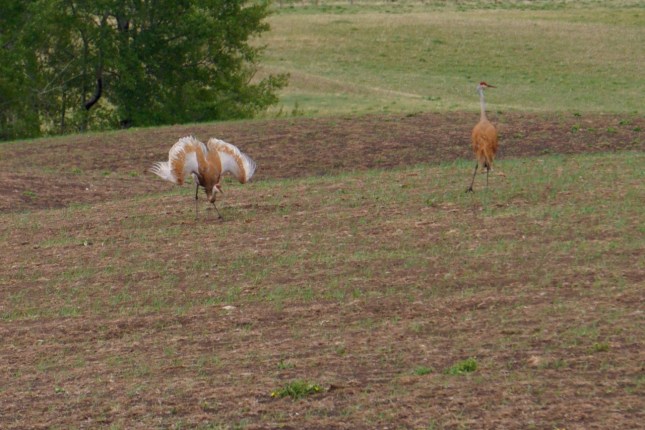
Sandhill Cranes courting, May 2016

Sandhill Cranes courting, Twp Rd 344 NE of JRR, May 2016


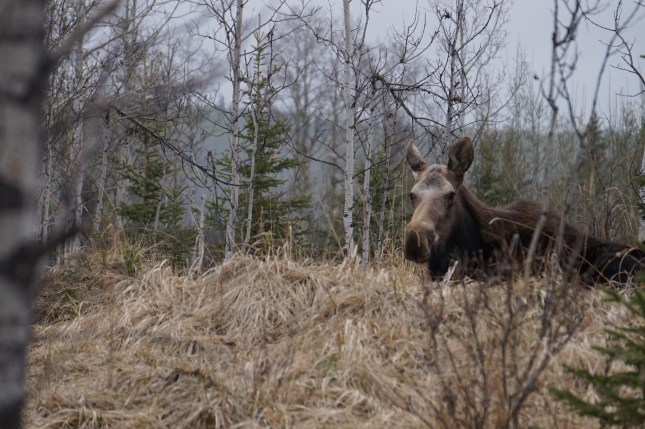
Moose resting on Lot 12, Apr 2016

Moose resting on Lot 12, Apr 2016


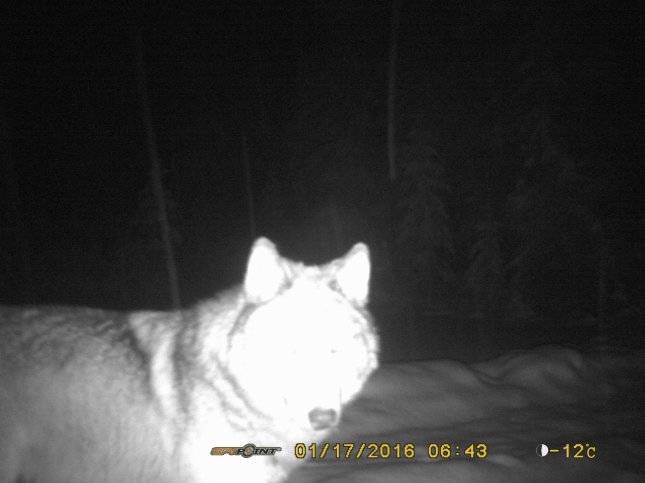
Wolf caught on crittercam, Feb 2016

Wolf caught on crittercam, Jan 2016


DSC01700

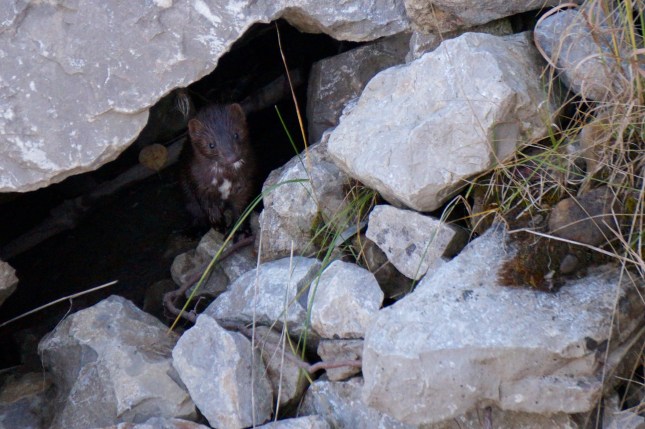
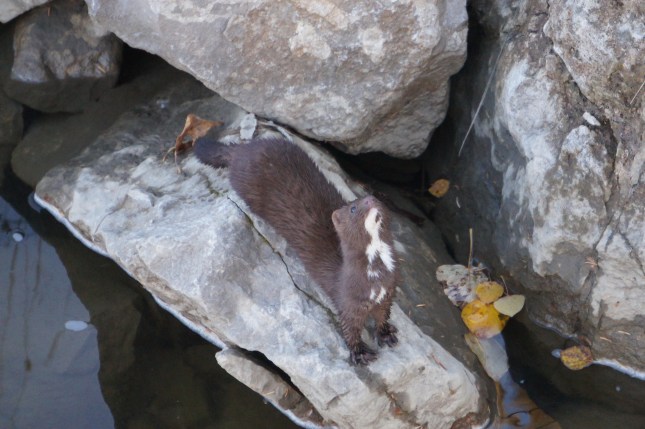
Mink under bridge, Oct 2015

Mink under bridge, Oct 2015


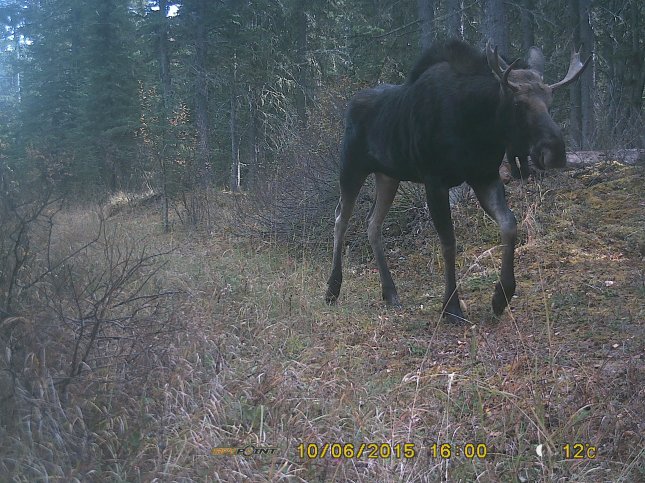
Moose caught on crittercam, Oct 2015

Moose caught on crittercam, Oct 2015


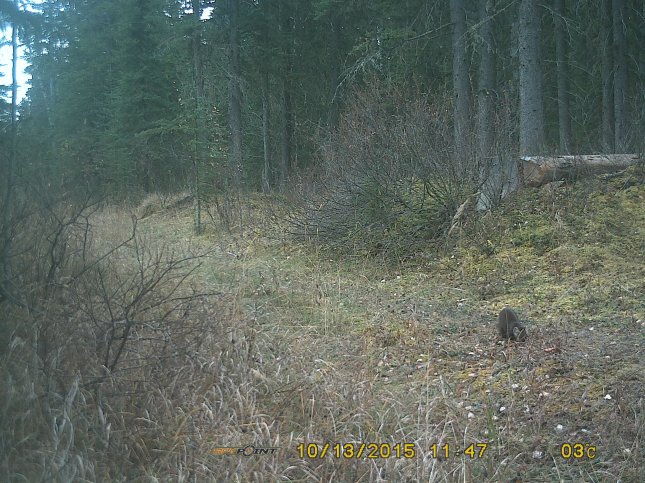
What IS that, anyway? Pine Marten caught on crittercam, south edge of JRR, Oct 2015

What IS that, anyway? Pine Marten caught on crittercam, Oct 2015


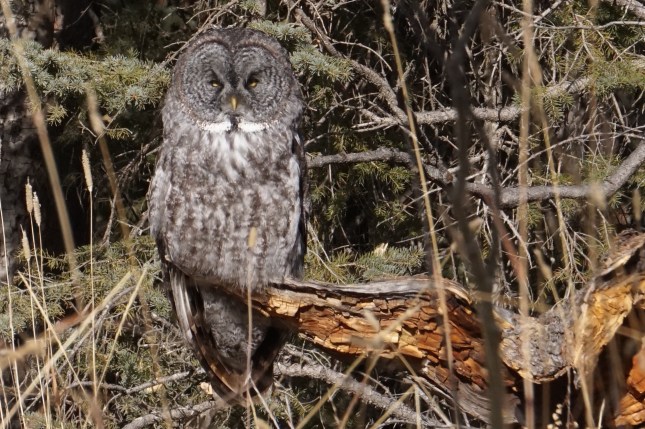
Great grey owl, James River Road, Oct 2015

Great grey owl, James River Road, Oct 2015

Is Your Cabin/Cottage FireSmart?

When the hot, dry weather of summer comes to James River and wildfires elsewhere in the province make the news, we can all take a moment to consider ways to make our individual James River retreats less vulnerable to wildfire. With first responders a minimum of 20 to 25 minutes away in the event of the unthinkable, anything we can do to protect our properties from fire is worth some care and attention.

To that end, here’s a great resource shared with us by the Forestry Division people out of Rocky Mountain House. The FireSmart Homeowner’s Assessment Guide is a handy checklist you can use to review your cabin and yard. Your final score will give you an indication of potential fire hazard levels and point you to the changes that will have the biggest impact in reducing your cabin’s risk from a wildfire.

Are you smart about the average bear?

Update: The black bear pictured here was spotted ambling through Lots 12 and 18 at James River Retreat, early morning May  28, 2016.

DSC02652   DSC02666   DSC02695

We’re fortunate at James River to share the Retreat and the surrounding area with an abundance of wildlife. And the first long weekend of “summer” at JRR also marks the beginning of Bear Awareness Week, a good time to remind ourselves that bears – now well out of hibernation and possibly protecting young cubs – are occasional visitors that command a healthy dose of respect. Both Black bears and Grizzly bears have been known to frequent the area in and around James River Retreat. While we haven’t heard of any bears within the retreat in the last couple of years, there are recent reports of a black bear sighting near Crammond in May and evidence of grizzly bear predation of livestock near Burnstick Lake/Caroline in April.

To stay up to date on weekly Bear Activity in our neck of the woods, we recommend a subscription to Mountain View Bear Smart’s weekly Bear Activity Report. This local not-for-profit organization also provides a great summary of bear facts and information on staying Bear Smart. If you see bears in or around the retreat, please email our Board and Mountain View Bear Smart. Be sure to include details such as date, place, time, species and any observations about the bear’s activities at the time i.e. eating, moving through the area, checking out garbage bins, etc.

For the Birds: A Perfect Winter Project

This blogpost submitted by | Judy Roche

DSC09998DSC00005


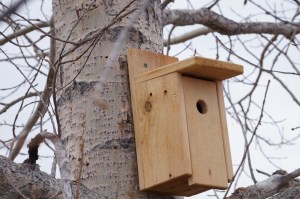
Our recent JRR Pond Ponderings questionnaire indicated that many of us would like to work on developing habitat for our fine feathered friends (and our furry ones too).

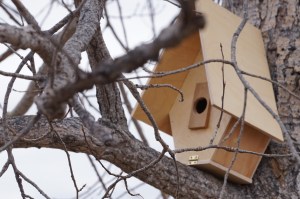
Would you like to build (or donate) a birdhouse to the pond area? This might be a fun project to share with your children or grandchildren or just something that the woodworkers and hobbyists out there would enjoy.

Beyond building the birdhouse, you’ll be involved in placing your birdhouse somewhere in the pond landscape and maintaining it season to season.

If your birdhouse is ready early this spring, that would be a perfect time to do your installation.

Please keep your house in raw wood form – not painted or stained. Better for the birds and a uniform look in our common landscape.

Here are a few pointers to help you on your way:

  • You will attract different birds depending on where you place your birdhouse.
  • Place your house away from prevailing spring winds.
  • Hole size will determine what birds will nest in the home you have built.
  • Don’t put a perch on your birdhouse as this encourages predators.
  • For easy cleaning, it’s a good idea to have the roof or a wall hinged.
  • Slope the roof to prevent rain from entering and a few small holes in the base of the house for air circulation.

It’s all “for the birds”!

Chirp, chirp

Here are a few links that provide inspiration, patterns and advice:

Calgary’s Wild Bird Store offers a variety of birding essentials including seed, feeders and these readymade birdhouses and DIY birdhouse kits. This short video from the Audubon Society talks about the benefits of building bird-friendly communities and last, but not least, the Birdwatching Bliss website offers free birdhouse plans and how-to tips. 


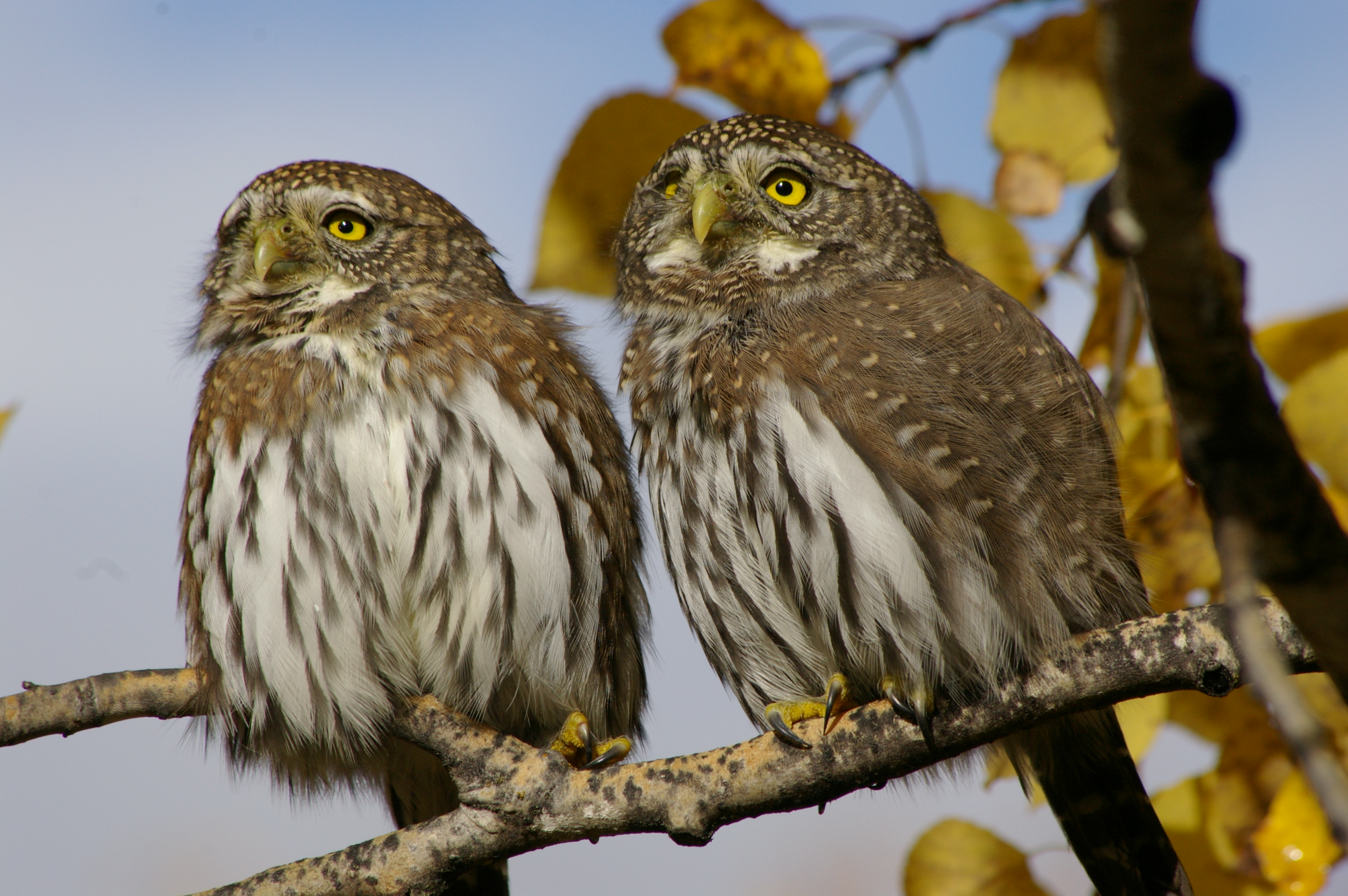
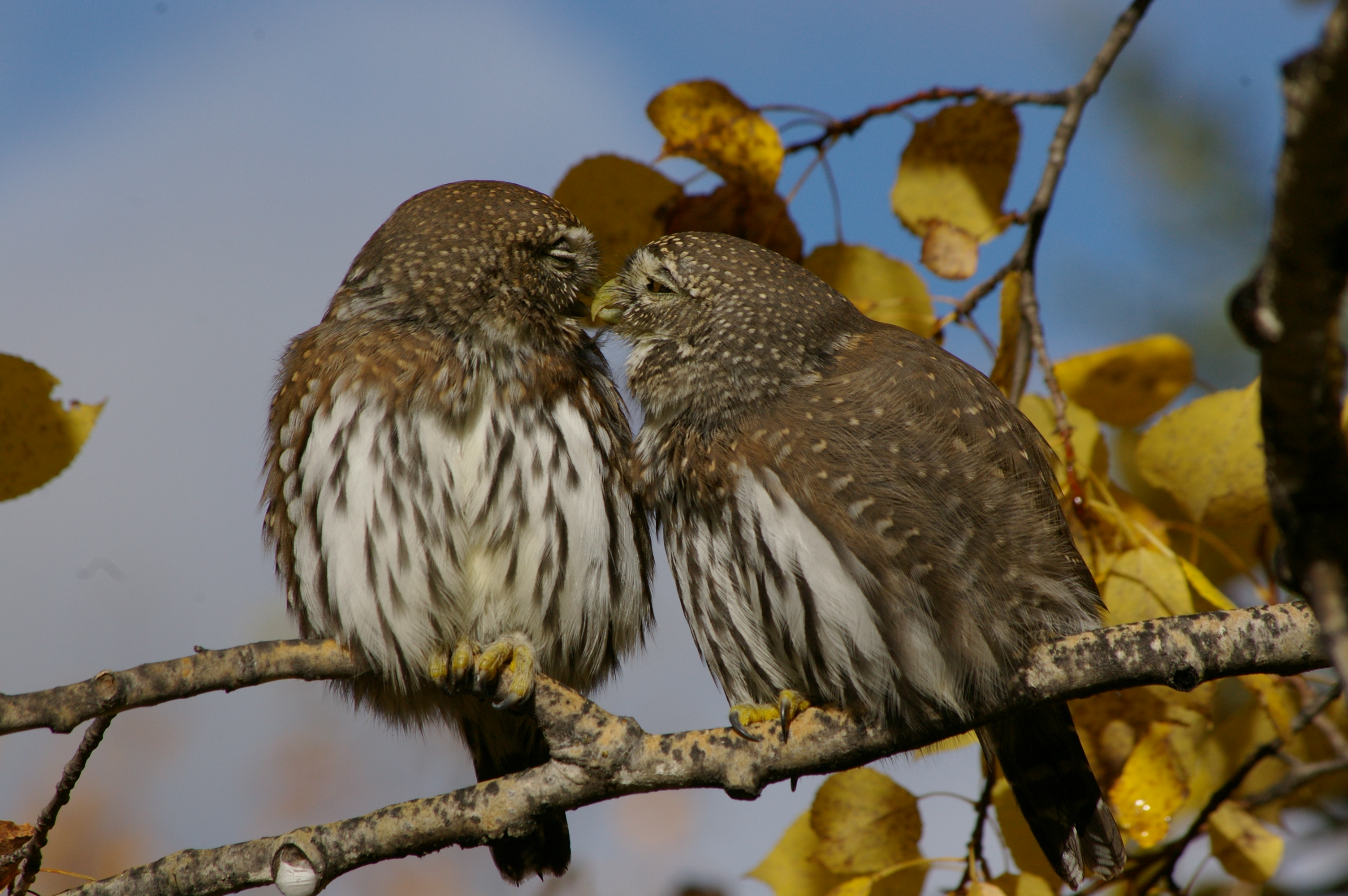
The Pygmy Owls of JRR: small in stature, big on charm

This blogpost submitted by | Judy Roche

After first appearing on this website, this article was featured in the Winter issue of Nature Alberta

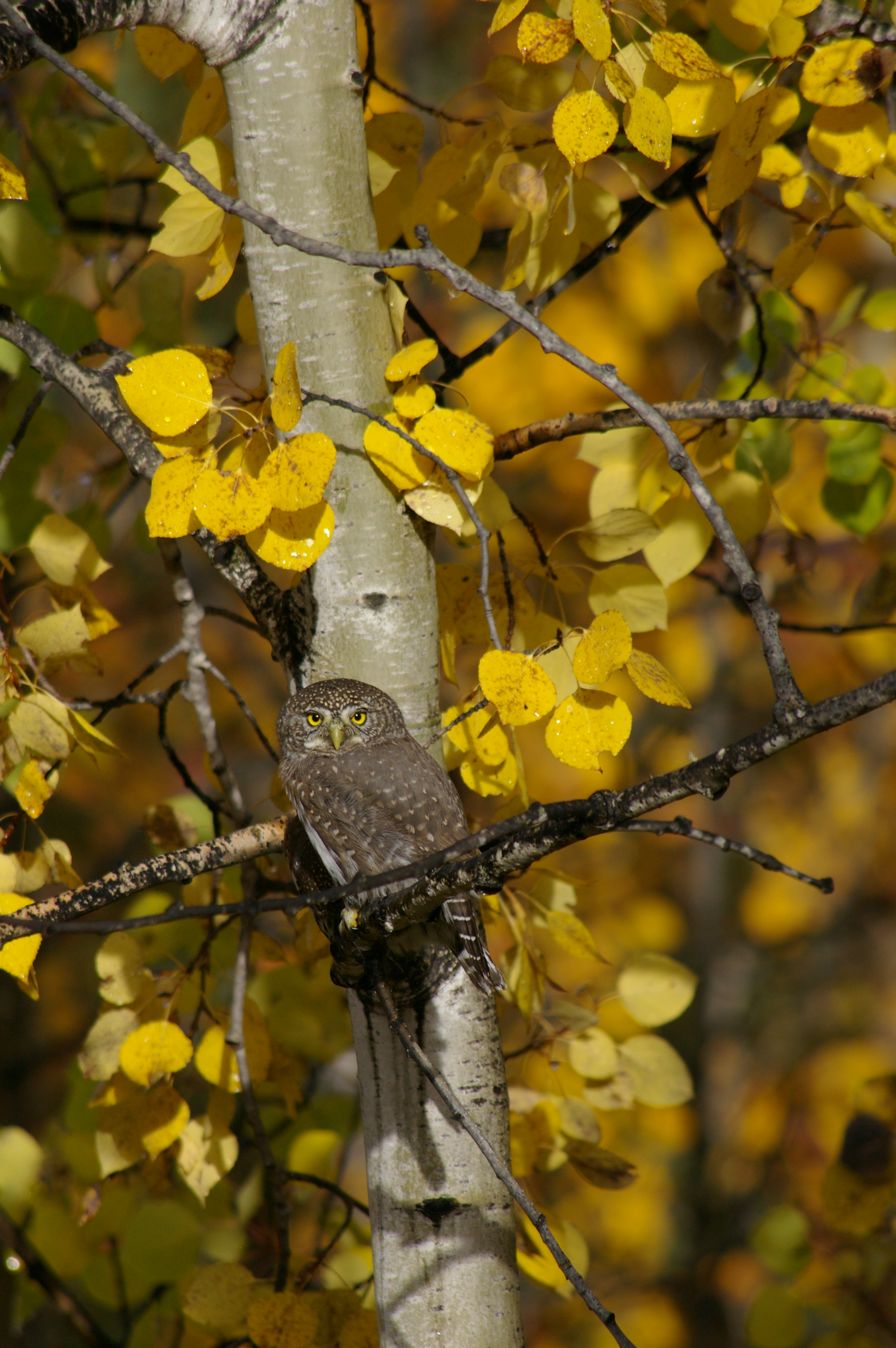
Ken and I were enjoying our ritual coffee on the front deck this past week when Ken spotted an unusual bird landing in our aspens. Luckily we had our binoculars on hand and were delighted to see a tiny pygmy owl!  We weren’t given much time to look at him before he flew off to another destination.

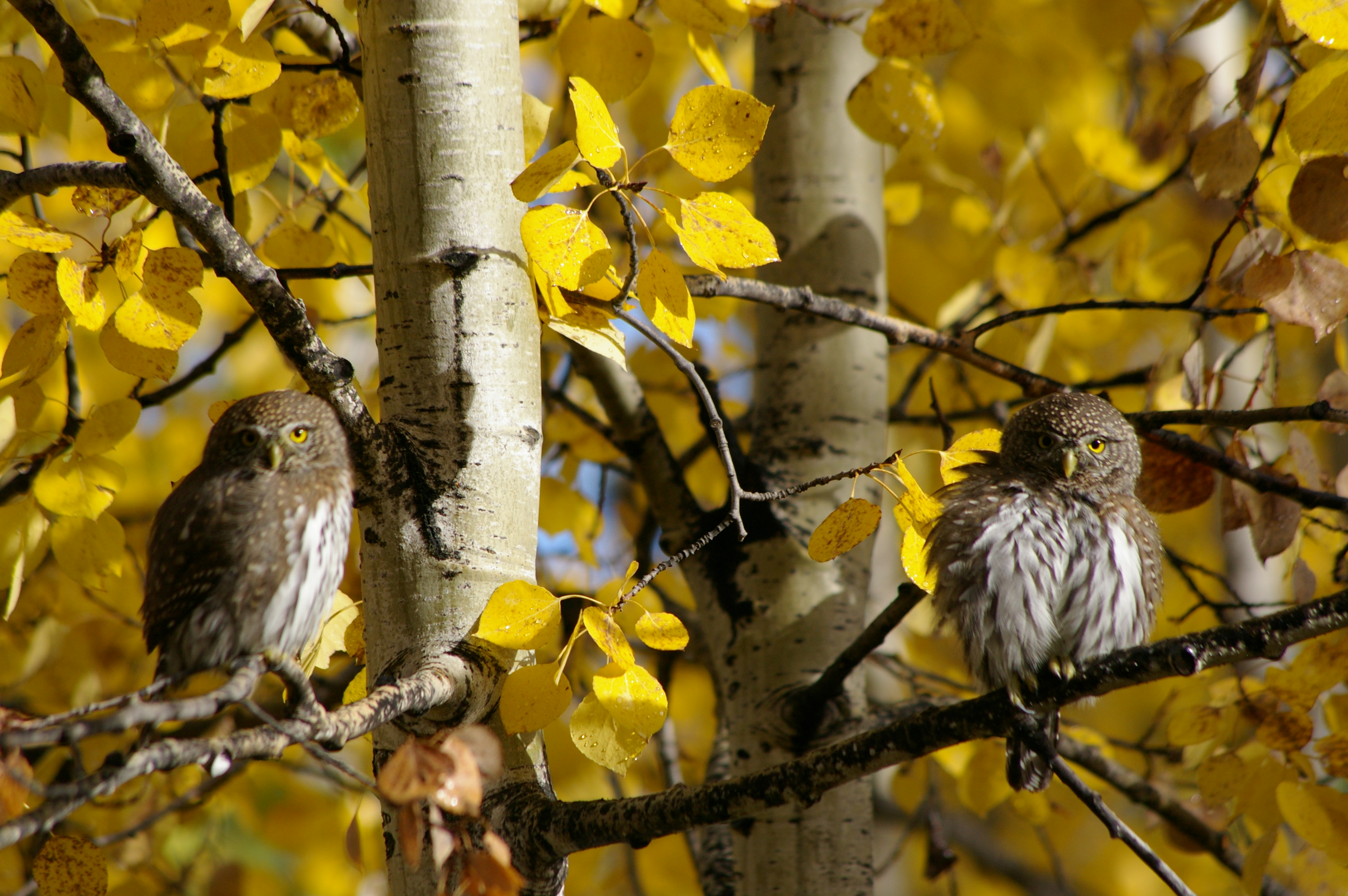
Figuring we wouldn’t be lucky enough to find this owl again, but deciding to try anyway, we went searching. We got lucky and found not one but two owls perched about 10 feet up in some other aspens.

We had camera in hand so took several shots from afar before trying to venture for a closer look. This pair seemed as curious about us as we were of them and allowed several photo shoots from about 3 feet away. They gazed at us with their wondrous eyes, preened and posed, all for the camera of course!

When our awesome visit with this pair ended, Ken did a search to find out more about this owl using an app he purchased called iBird Canada.  Ken keeps a log of the birds we see and discovered that we had seen another pygmy at the same time last year.  These owls are common around the Sundre area of the province.

Northern Pygmy Owls are active during the day which gives us a good chance of finding them.  Listen for their high, evenly spaced hooting calls or watch for a commotion of small agitated songbirds and you might see this owl in their midst. To quote iBird Canada,” These owls  can carry prey weighing more than twice their own weight. They often eat only the brains of birds and soft abdomen of insects.” Yum!

The pygmy owl is about bluebird size and often use a woodpecker hole to nest. They lay 2-7 white eggs, take about a month to incubate and another month to fledge.

We think they were attracted to our place because of the numerous birds we attract with our birdfeeders. Thankfully, this pair didn’t drop in to dine at our birdfeeder…not this time anyway.


IMGP5321


IMGP5326


IMGP5343


IMGP5346


Wildflowers of James River Retreat

This blogpost submitted by | Judy Roche with input from Donna Kanter

I spy with my little eye, something that is white and purple, there’s pink and yellow, orange, blue…

Ah yes, those beautiful wild flowers of James River Retreat — did you guess?

As we meander around the retreat, we are always greeted by our beautiful wildflowers. Some are so very tiny that you really need to look to see them — teenie violets peeking through our lawns and ever so dainty white flowers —  baby’s breath or perhaps mouse ear chickweed?? Following are a few of our summer time favorites.
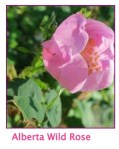
 

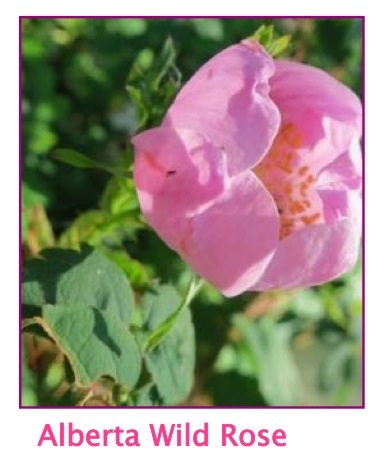
imageBest known of our wildflowers is the Alberta Wild Rose. This rose was adopted by the Province of Alberta to be our official floral emblem in 1930. The bees and insects are friendly visitors to this flower spreading its pollen throughout the summer season and the rose hips are fodder for our squirrels, birds, deer and moose!
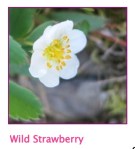
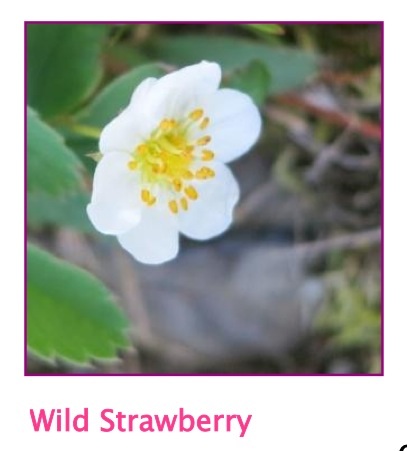
There are two little white flowers at James River than might easily be confused. The photograph on the left is a wild strawberry and identification of this flower is easily made. The wild strawberry typically has five petals and it’s leaves are split into three leaflets. You will see that each of the leaflets has teeth on its edge. These plants are creeping plants and have reddish coloured runners that grow on the surface of the soil.

The abundance of these lovely little flowers provides a strawberry treat for birds, particularly waxwings, woodpeckers, robins crows and starlings.  The leaves of this plant are munched on by deer and small insects and the spring flower provides nectar and pollen for bees and butterflies. Hard working – you bet!image
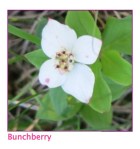
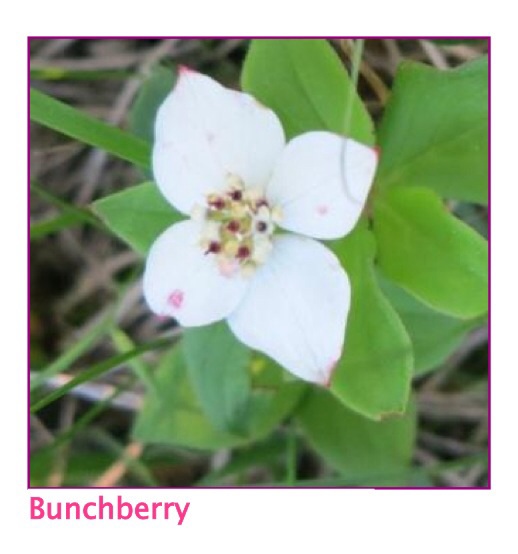
Our other little white wild flower is the bunchberry. If you look very closely at this flower you will see that the center contains a cluster of tiny mini flowers. Often you will see this flower around stumps or rotting wood and it can form a low growing dense groundcover. Later in our season it will develop bright red berries which are enjoyed by our deer, grouse and songbirds.
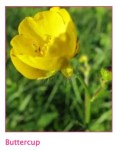
imageOf course you have noticed the dainty buttercup flowers — they like a more moist habitat. Take a walk almost anywhere in JRR and you will discover a beautiful meadow of buttercups along your way. There are typically 1-4 flowers per plant with each flower having 5 shiny, waxy yellow petals. The plant itself can be up to a metre in height and has a thin stem which sways beautifully in a gentle breeze. Children have long known that if you hold a buttercup flower under your chin on a sunny day, the underside of your chin will be bathed in yellow light! We tried this ourselves and it’s true!

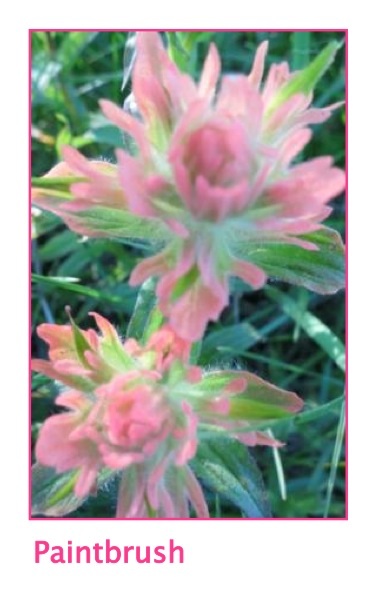
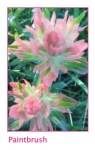
Timagehe common paintbrush flower comes in an assortment of colours from scarlet to soft pink to a buttery white. We have a small meadow in the back of our property where we have all colours of this flower and they bloom in abundance. Our colours at JRR are more pastel than one usually sees in other locations in Alberta where the more common colour of this flower is scarlet.
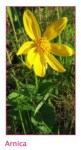
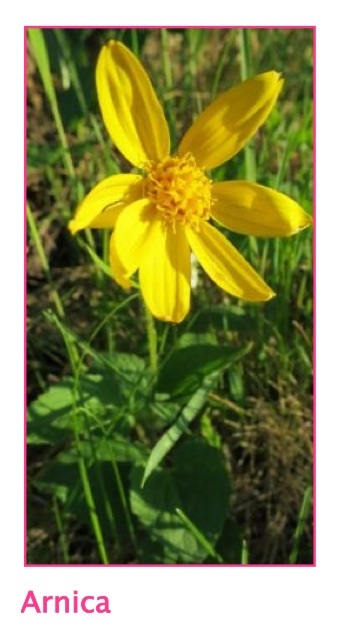
imageHeart Leaved Arnica — Donna helped me identify this lovely wildflower – it is a new one to me! Its habitat is moist and dry wooded areas and is more common in the western area of our province. When you spot this lovely flower it will probably be solitary to a few stems — not overly abundant but it is out there. Its stems are hairy and it grows up to 60cm tall.

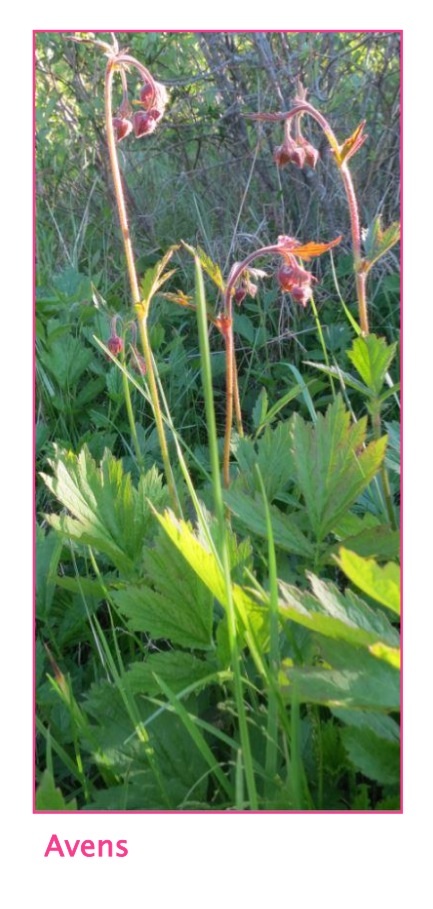
imageAn all-time favorite of mine is the avens, prairie smoke or old man whiskers. These nodding, burgundy colored flowers transform into fuzzy whiskers at the end of their flowering. This wildflower is one of our earliest blooming prairie plants with low growing, fern like green foliage that turns red, orange or purple in late fall.  Butterflies are attracted to this plant but they say it is not too enticing to deer.
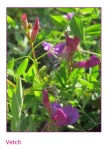
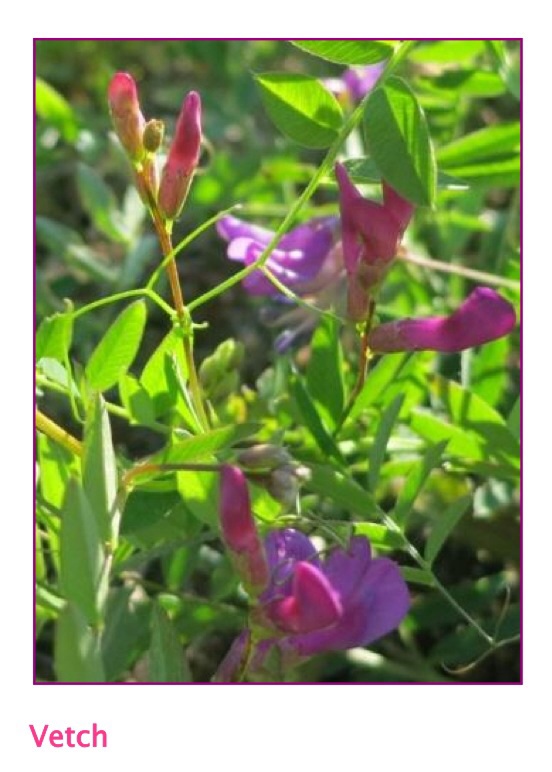
imageYou will find wild vetch abundant at James River Retreat. It grows in open woods, thickets and meadows and is frequently seen on gravelly soil. It has 2-9 pea family flowers per cluster and it’s fruit is a smooth, flat pod with round brown or black seeds. Notice that it has forked tendrils at the end of each leaf. Vetches enrich the soil by building up nitrates and they provide good forage for livestock.
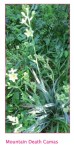
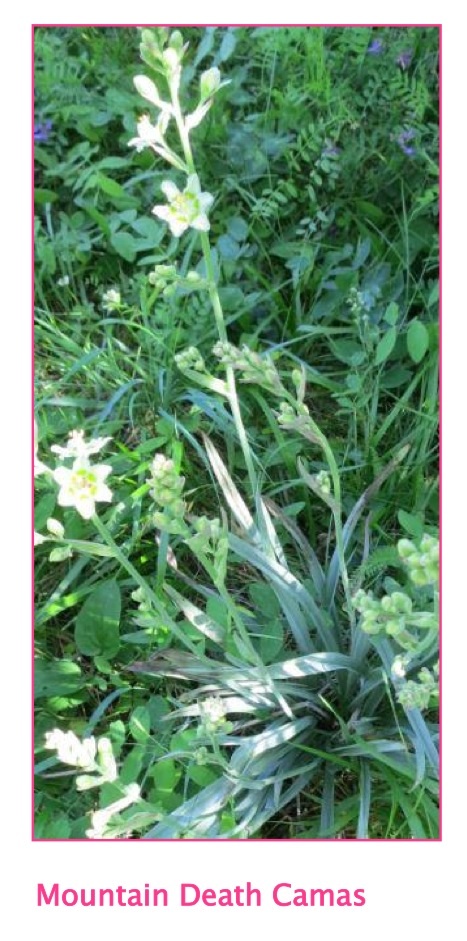
imageThe Mountain Death Camas is another plant that Donna helped me identify. This plant has waxy, white, six petal flowers with grass-like narrow leaves and is a member of the lily family. It is quite stunning in the landscape but do note that it is slightly poisonous to people and livestock.

imageAnd of course, how about those fabulous western wood lilies (wild tiger lily). This lily is the floral emblem of Saskatchewan and is becoming increasingly rare because of over picking. Picking this flower removes the leaves which in turn means that the bulb below is not fed and that means the plant dies. This plant also does not typically survive if it is transplanted.  So, the best bet is to sit back and just enjoy it’s beauty!

These are but a few of our beautiful wildflowers at James River Retreat. Don’t you love the sweet fragrance of the clover? And do look for the honeysuckle vine and the bluebells, the goldenrod, wild geraniums, yarrow and lupines. And dandelions, we’ve got lots of them too. Mother Nature’s Garden, it’s exquisite isn’t it!

image

JRR Day Trip: Beaver Lake

Contributed by Ken Roche, this article originally ran in the James River News, a newsletter produced by the JRR Condo Association from 2005-2009. 

The intent of the JRR Day Trips column is to capture information on the wonderful destinations around the James River Retreat. Over time, if everybody contributes, this will become a great source of ideas of ‘Things to do’ for new owners to the retreat, existing residents looking for new ideas, and guests to your cabin who are not as familiar with the area. As the Roche clan enjoys fishing and kayaking, Judy, Ken, and Brad have all contributed to this little write up on Beaver Lake.

Ahhhh, those lazy days of summer…

They will arrive, and we can hope that will be sooner, rather than later. For those fishing, canoeing and kayaking, buffs out there, I’d love to share with you, one of our favorite spots of recent times. It’s so close to the retreat, it’s downright decadent!
Beaver Lake

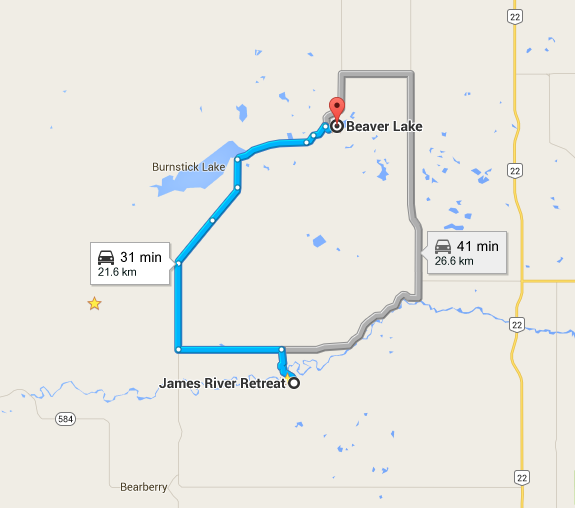
A little pond just north and west of James River is perhaps about a 20-25 minute drive. The lake is a right hand turn about 3km past Burnstick Lake campground. You need to watch for the sign very carefully as it is easy to miss. If you hit the blacktop, you’ve travelled too far.

You can launch a canoe, kayak, bellyboat or little fishing boat (as long as it’s powered by an electric motor). Bird watching is excellent all year and we have spotted Bald Eagles, King Fishers, Osprey, Loons, and other web footed birds we couldn’t identify. Bring your bird book!
I have found the fly fishing to be superb in early September but I have heard that spring will also provide you with lots of excitement. I’ve caught 5 – 6 lb rainbow trout that provide an awesome fight. I am a fly fisherman and have had success using green bead head nymphs and different patterns of backswimmers. I have seen many people trolling and having success with spinning rods but can’t share any personal experience.

I’m a catch and release person myself but I believe the catch limit is 1 fish over 40 cm and 1 under so if you’re lucky enough to snag a big one, you’ll enjoy a fabulous dinner I’m sure. The regulations do change so be sure and check before heading out.

In doing some research I found an article from the May/July 2006 issue of the Canadian Fly Fisher magazine that stated the following:

‘A relatively small lake, Beaver was stocked with a lighter density of trout and given delayed harvest regulations to allow trout to grow large. The results have been exactly that and the angler usage has been heavy. Rainbow trout can now be caught upwards of 8 pounds and catches in the 3 – 6 pound range are common.’

Of the nearly 300 lakes stocked in Alberta, there are a few where the low stocking numbers and limits mean that the fish grow to larger than 15″. Beaver Lake was the first of these lakes followed by Muir, Bullshead, Ironside, Police and Fiesta (the latter also very close to JRR). We now have 6 lakes that are “managed” differently. Of the six, only 2 are NO KILL. For the years 2006, 2007, and 2008 Beaver Lake was stocked with 10,500 rainbow trout ranging in size from 19 – 26 cm.

Hiking is not great around the lake as there is minimal walkable shoreline between the water and land. However, there is an open field area, picnic tables and washroom facilities if you desire to do some shoreline fishing. Having said that, this spot is much prettier from the water than from the land.

So, dream a little dream, tuck the map below out at the cabin, and take a jaunt to Beaver Lake sometime this season.

beaver lake map